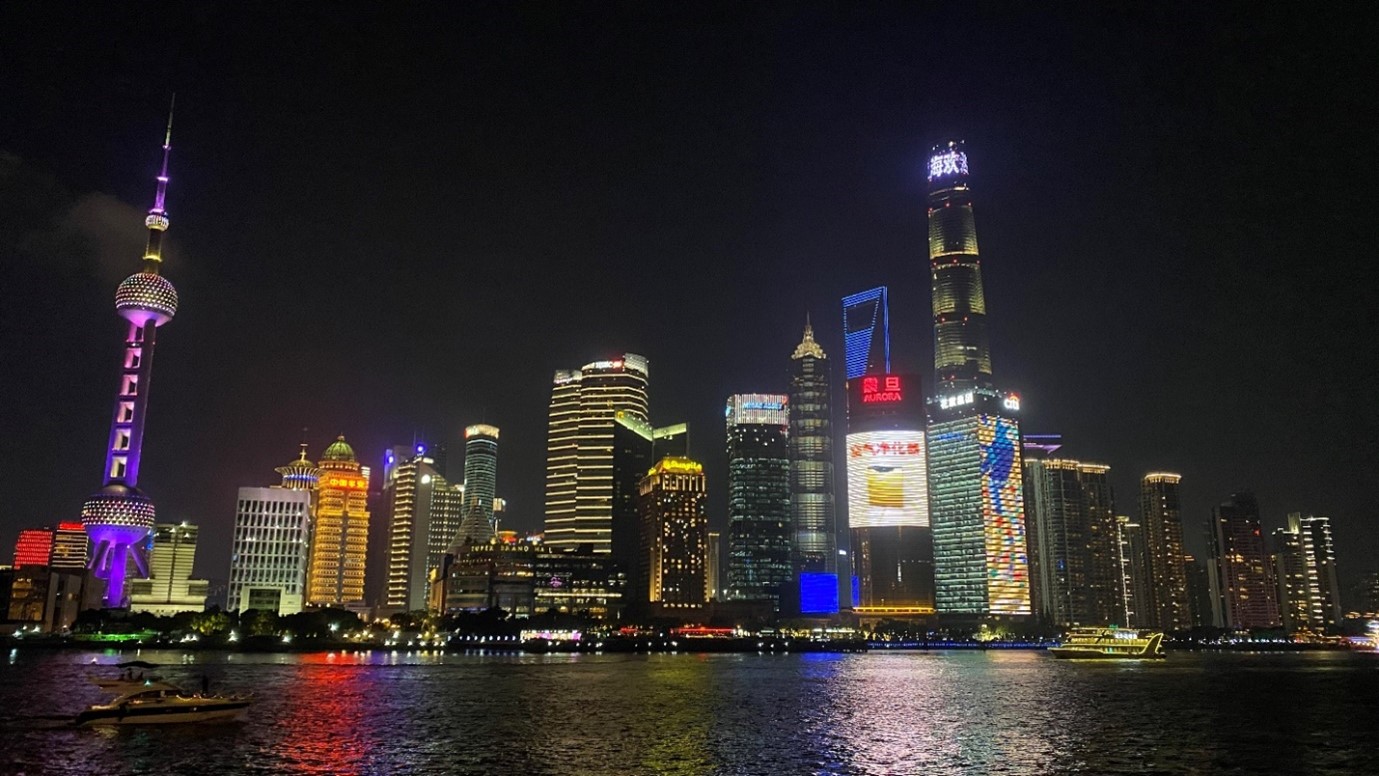
Hello all – it’s been a long time since my last post. I do have a good reason though; my family and I moved from Shanghai to Singapore in early 2021. I really loved my time in Shanghai and miss the hustle and bustle of the biggest city in the world! I will take this opportunity to reflect on some of the changes witnessed in Shanghai since I first visited in 2015 and moved there permanently in 2016.
Home Comforts in the East
When I first set foot in Shanghai in 2015, the notion of it being a “hardship posting” felt like a distant memory. I’m not exactly sure when the shift happened, but from conversations with long-time residents, it seems the transformation began around 2010—and it was fast.
By 2015, the city was bursting with options for shopping, dining, nightlife, and leisure. The bar scene was vibrant and diverse, cinemas screened a wide selection of Western films in their original language, and while the live music didn’t quite match what I was used to back home, it was still compelling and full of character.
The culinary landscape was especially impressive. Restaurants offered an incredible range of flavors and cuisines, and the quality was consistently high. Grocery stores stocked premium Western and Japanese products—though often at a steep markup. Still, eating well in Shanghai by 2015 was far easier than it had been just five years earlier.
What stood out most during my time there was the surge of interest in plant-based food. It was thrilling to witness—and be part of—a wave of innovation in this space. I had the privilege of working with a pioneering plant-based food start-up, and I’m proud to say it’s still thriving today.
Technology – Cashless society
When I first arrived, cash was king. The switch to electronic started in around late 2016 for me (later than most!) and was fully complete in 2018 when all services were on board with either WeChat or Alipay. I witnessed a complete switch from 100% cash to 100% cashless within the space of 3 years – an incredible transformation. The numbers are staggering, mobile payments in China went from insignificant in 2015 to 40 trillion USD in 2018. That’s $40,000,000,000,000!
Technology – Dock-less bike sharing rise and fall and now
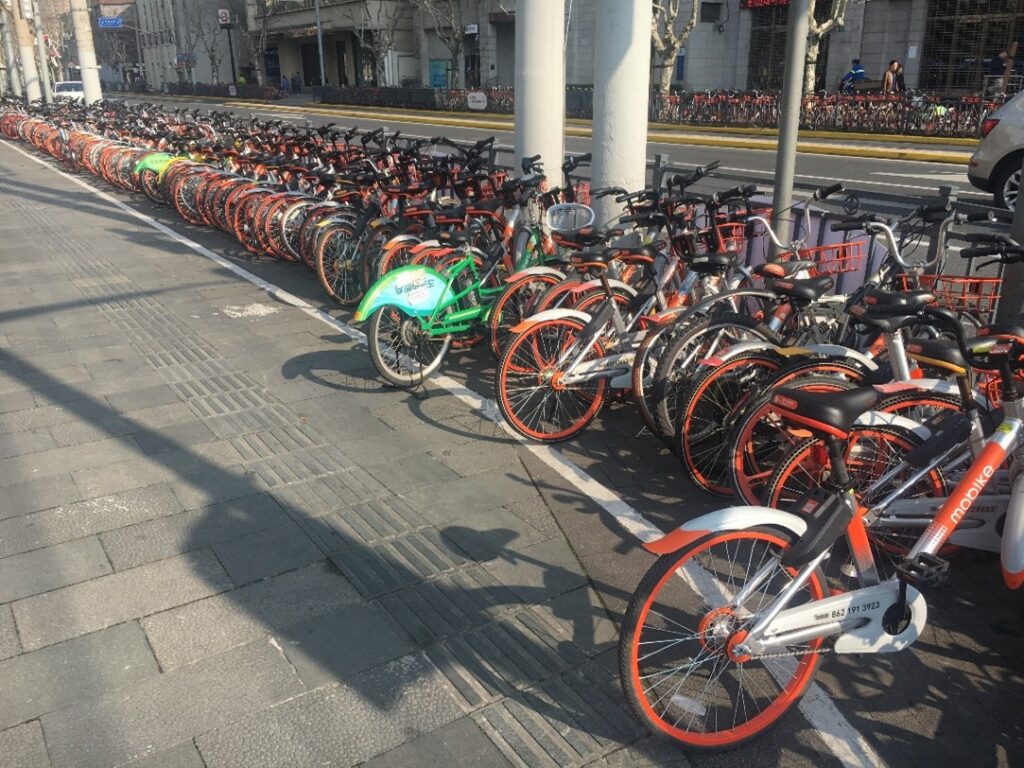
They seemed to appear overnight in mid-2016—brightly colored, app-activated bikes scattered across every corner of Shanghai. For two years, they were everywhere. I used them constantly. Whether commuting, running errands, or just exploring, these bikes were the perfect solution for getting around a city already known for its navigability.
But then, the tide turned.
The city launched a crackdown on station-less bike shares, imposing strict regulations and removing street-side parking zones. Illegally parked bikes were rounded up by the truckload. What followed was surreal: massive bike graveyards, with twisted frames and rubber tires piled into towering 30-foot heaps. A symbol of innovation gone unchecked.
Today, the chaos has settled. While the sheer volume of bikes is nowhere near what it once was, they remain a reliable and convenient option. You can still find them easily, and they continue to offer a flexible way to move through a city that’s welcoming to both locals and newcomers.
Technology – DiDi
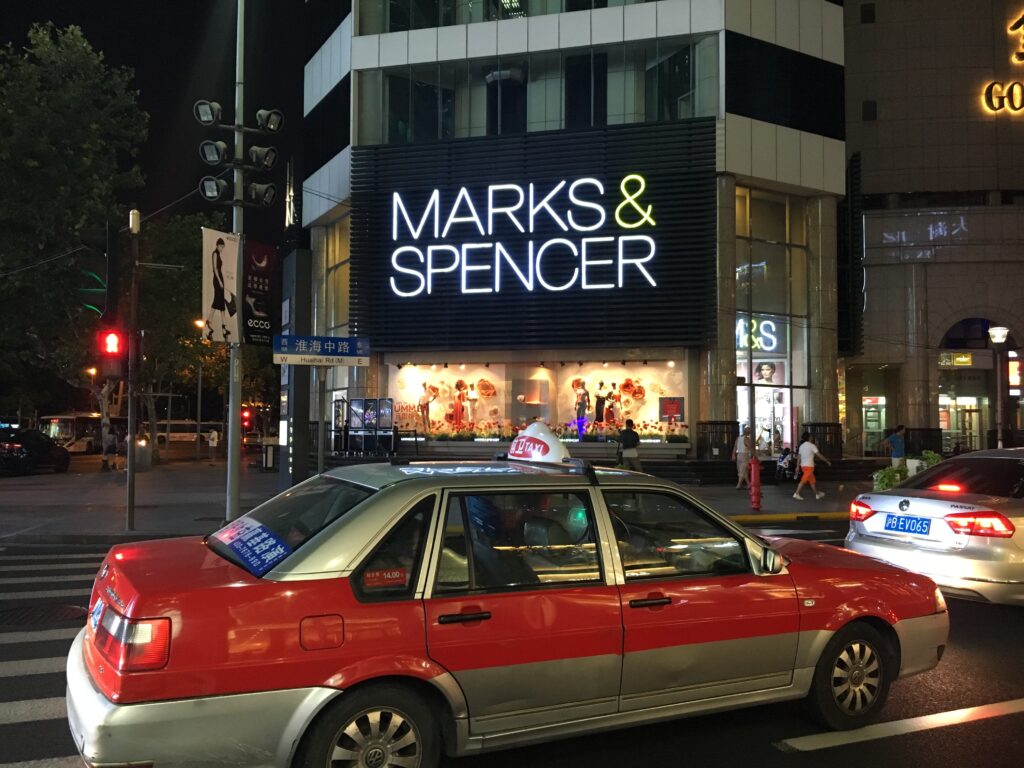
When I first arrived, the taxi of no choice was a horrendous Shanghai-built Volkswagen Santana. Then Didi’s car for hire service arrived in around 2016, with an English version of the app in 2017. They had clean new cars; often electric, and good drivers. The app was really easy to use, providing different options of standard, premium and luxury. It was cheap and safe & it made getting around Shanghai even easier than before.
Air Quality – inside and out
In 2017, Shanghai introduced a smoking ban in bars and restaurants—and the impact was immediate. Overnight, the air inside dining and nightlife venues became noticeably cleaner. For anyone who had grown used to smoky interiors, the difference was striking.
From 2018 onwards, traveling outside of Shanghai made the contrast even more apparent. Cities without similar bans felt suffocating by comparison, with smoke hanging heavy in the air—a reminder of how quickly habits can shift when policy steps in.
One of the simplest pleasures that came with the ban? Walking out of a restaurant and not smelling like an ashtray. No more stale smoke clinging to clothes, hair, or skin. Just fresh air and the lingering taste of a good meal.
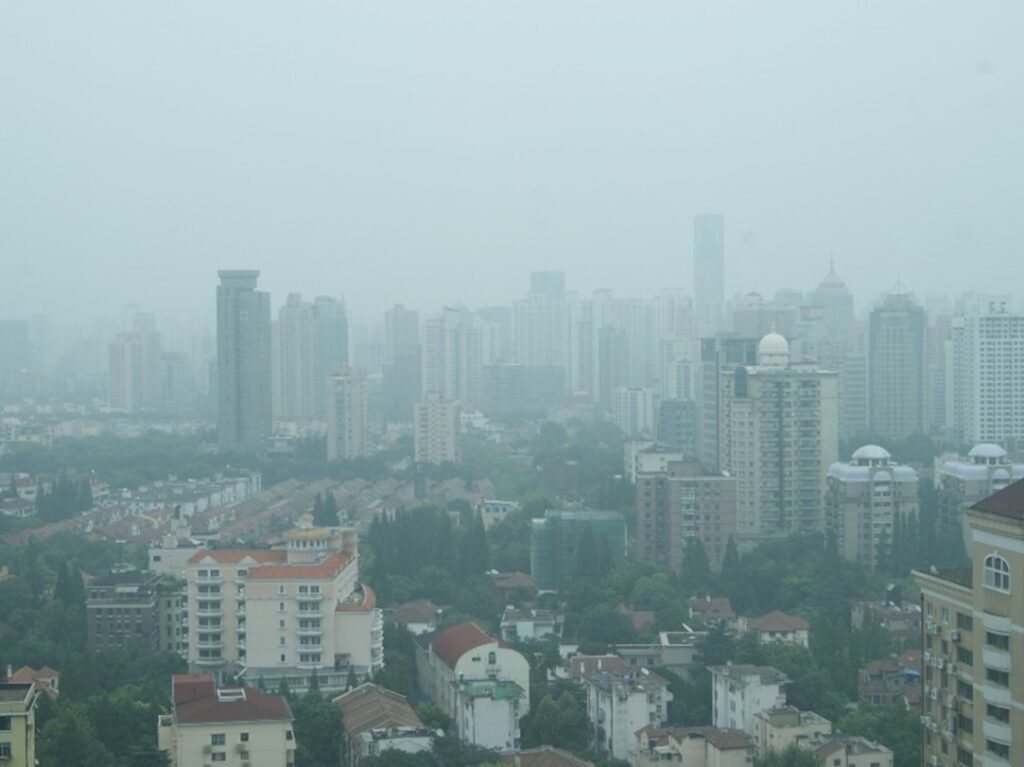
I also witnessed noticeable improvements in outdoor air cleanliness year on year. Shanghai’s average PM2.5 dropped from 54 µg/m3 in 2015 to 32 µg/m3 in 2020. The bad news is that Shanghai’s PM2.5 still averages more than 3 times the WHO annual guideline value of 10.
Shanghai: ever-changing
These are only some of the changes that I witnessed in my time in Shanghai, a city that never stops moving and never stops changing. There were so many other developments in my time there – hope to be back again some time soon and maybe see some more!
Until the next time – eat well Shanghai! 🙂 Jessica W